








closeX
Log In
  1. Remember me on this computer

Forgot your password?

NOT A MEMBER YET?
Join us (it’s free!) and you’ll get instant access to our friendly community of decorators and DIYers like you.

Member benefits:

  • Comment on projects and slideshows
  • Sign up for free DIY newsletters
  • Coming soon: Save and organize your favorite projects
  • And more!
Join Us Today
  • Finished Planter Box
  • Step 1: Cut and Assemble the Legs
  • Diagram of End Frames
  • Step 2: Make the End Frames
  • Step 3: Attach the Long Upper and Lower Rails
  • Step 4: Add the Cap and Slats
  • Step 5: Smooth the Edges of the End Cap
  • Diagram of Side Frames
  • Diagram of Finished Planter
  • Step 6: Attach the Sides
  • Finished Planter Box
00 0
[+]
  • Finished Planter Box
  • Step 1: Cut and Assemble the Legs
  • Diagram of End Frames
  • Step 2: Make the End Frames
  • Step 3: Attach the Long Upper and Lower Rails
  • Step 4: Add the Cap and Slats
  • Step 5: Smooth the Edges of the End Cap
  • Diagram of Side Frames
  • Diagram of Finished Planter
  • Step 6: Attach the Sides
  • Finished Planter Box
00

Written by Spike Carlsen

Step 1: Cut and Assemble the Legs

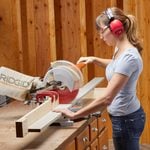
Use a circular saw or table saw to cut 5 1/2-in.-wide boards into 2 3/4-in.-wide pieces. Cut the eight leg pieces to length, then secure them in pairs to create four L-shaped assemblies. Predrill holes to prevent splitting.

Step 1: Cut and Assemble the LegsSue Ferris[+]

TIP

The framework can be made from any rot-resistant wood. We used teak, but you could use cedar, redwood or treated lumber. You can also use readily-available 1- to 1 1/4-in.-thick deck boards, instead of 3/4-in.-thick wood for the framework, but be certain to adjust the dimensions in the cutting list accordingly.

Step 2: Make the End Frames

Sandwich short upper and lower rails between the leg assemblies, then use screws, exterior glue and clamps to create two end frames.

Diagram of End Frames[+]
Step 2: Make the End FramesSue Ferris[+]

TIP

Use screws that are galvanized, stainless steel or coated. Ordinary screws will "bleed" dark marks in the wood and eventually corrode.

Step 3: Attach the Long Upper and Lower Rails

Lay the end frames on their sides, then use glue and 1 1/4-in. screws to secure the two long rails on one side. Flip the piece over and repeat on the other side.

Step 3: Attach the Long Upper and Lower RailsSue Ferris[+]

Step 4: Add the Cap and Slats

Set the planter upright and install the four cap pieces and three bottom slats using glue and screws.

Step 4: Add the Cap and SlatsSue Ferris[+]

Step 5: Smooth the Edges of the End Cap

Do this using a router or power sander. Use medium-grit sandpaper to remove pencil marks and smooth rough areas. Then, apply a clear finish to protect the wood and enhance the grain.

Step 5: Smooth the Edges of the End CapSue Ferris[+]

Step 6: Attach the Sides

Cut the corrugate roofing to size using a circular saw and metal cutting blade. Position the pieces between legs, then use 5/8-in. galvanized screws to secure them to top and bottom rails.

Diagram of Side Frames[+]
Diagram of Finished Planter[+]
Step 6: Attach the SidesSue Ferris[+]
Finished Planter BoxSue Ferris[+]
closeX

Add a Comment For:

How to Make a Recycled Planter Box

Here’s what I think:
closeX

Add a Reply For:

How to Make a Recycled Planter Box

Here’s what I think:

You Might Also Like

More
Hello Stranger!   Log in or Join us
Advertise with us Advertisement
Family Handyman